
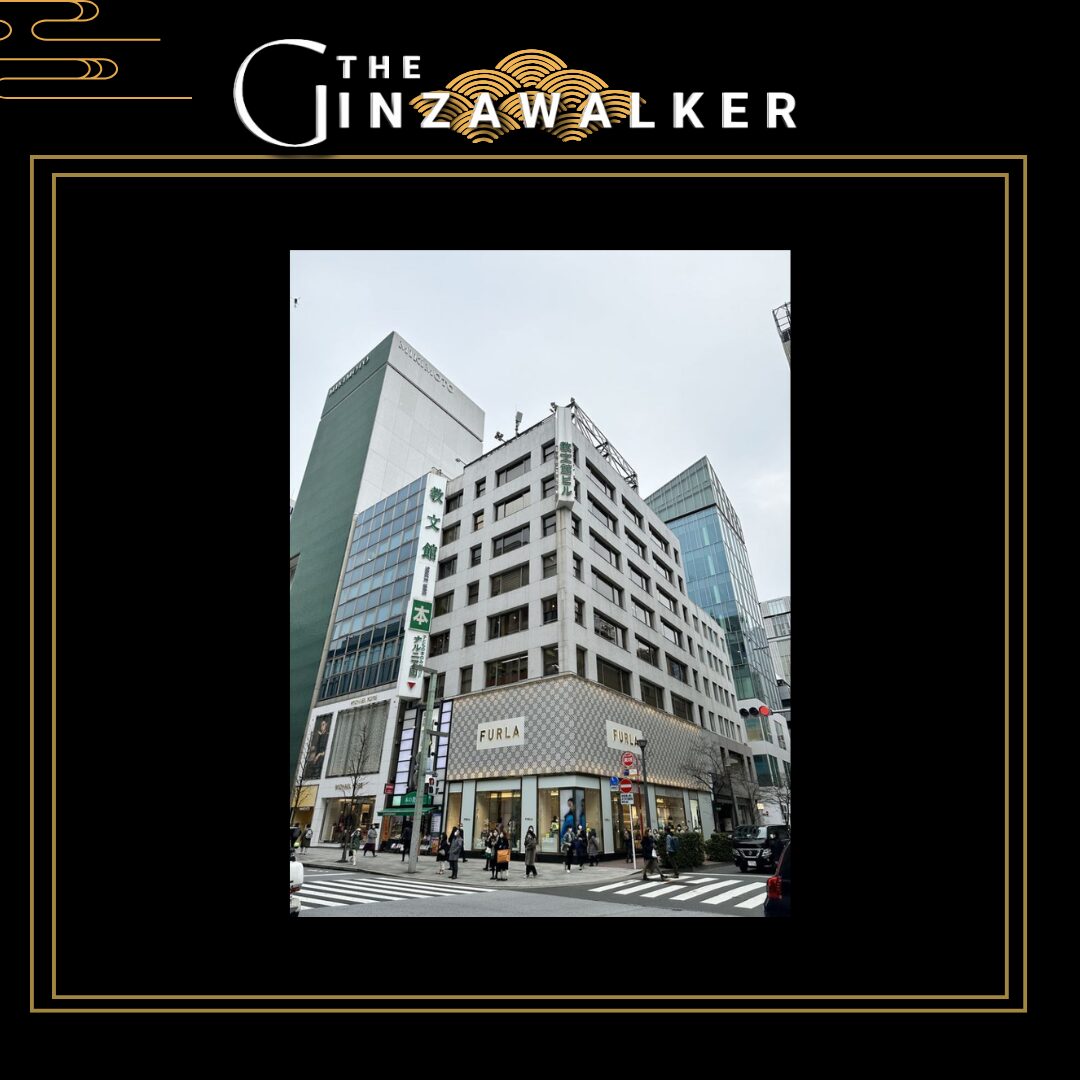
Standing at a corner of Ginza 4-chome intersectionKyobunkan & Bible Museum Buildingis one of the most historic buildings in Ginza, completed in 1933. From the exterior, the building appears to be a single building, but the interior incorporates the unique “two-building structure” design concept. During the period of reconstruction after the Great Kanto Earthquake, this building is still "active" in the city today as one of the culmination of Showa Modernist architecture.
What this article will tell you
- Why the Kyobunkan and Bible Museum Building is "One Looks Like Two
- Completed in 1933, value as Showa Modernism architecture
- Antonin Raymond's design philosophy for Ginza
- Seismic and structural strength that has remained in service for over 90 years
- The meaning of architecture inscribed in the urban culture and literature of Ginza

Conclusion: Why the Kyobunkan and Bible Museum Building is called a masterpiece of architecture
Extremely rare design with a one-piece exterior and duplex structure
This building is called "Kyobunkan Building" and "Bible Building.Two independent buildingsIt is designed as a
Although the entrance and elevator hall are shared, the internal structure and management divisions are clearly separated, and the building was established as a “two-family structure” from the beginning.
Fusion of early Showa Modernism and Art Deco
It is a symbol of the Ginza Revival architecture of the 1930s, and its Art Deco design, which adds decorative elements to the functionalist structure, can be seen throughout the building.
Architecture that survives on the premise of "use," not "preservation.
The greatest value of this architecture is that it has been used and renovated for over 90 years.
The interior still retains the materials and details that were used when the building was completed.
Basic Building Data
Kyobunkan and Bible Museum Building Architectural Outline
| (data) item | Contents |
|---|---|
| Building name | Kyobunkan & Bible Museum Building |
| completion of construction | 1933 (Showa 8) |
| design | Antonin Raymond. |
| structure | steel-framed reinforced concrete construction |
| scale | 9 above ground, 2 basement levels |
| Location | 4 Ginza, Chuo-ku, Tokyo |
| Architectural Features | Exterior integrated, interior duplex structure |
The origins of Kyobunkan and its path to Ginza
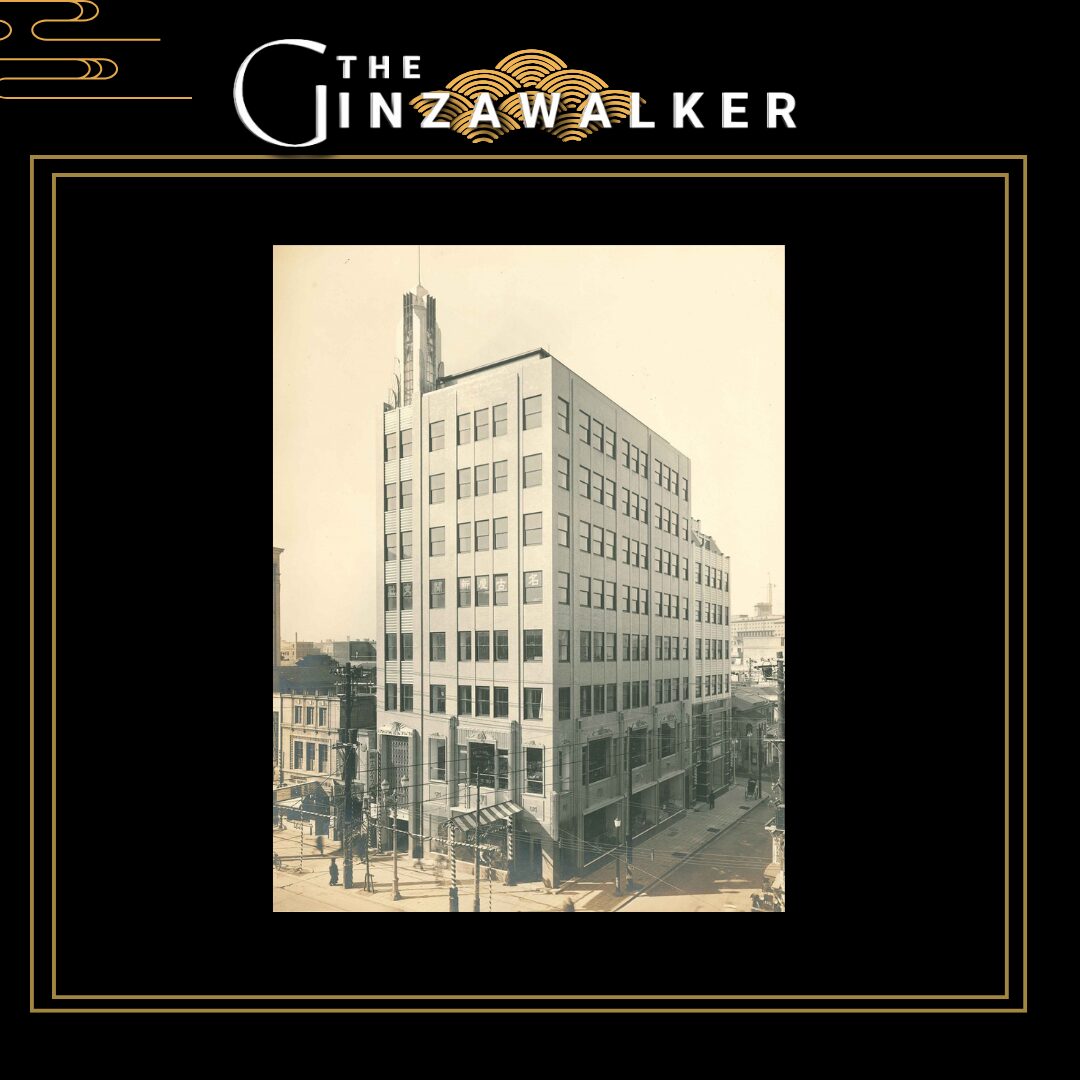
History of Kyobunkan starting in 1885 (Meiji 18)
Kyobunkan's roots date back to 1885, when an American missionary founded the company in Yokohama for the purpose of selling and publishing Christian books.
Yokohama was then a gateway to foreign culture and a hub for the distribution of religious and Western books.
Relocation to Ginza and business expansion
Kyobunkan later moved to Ginza 7-chome, 3-chome, and then to 4-chome.
In addition to Christian books, it has grown into a cultural center that handles general books and music media (agency business for Victor Records).
The Great Kanto Earthquake and the Decision to Build a Community Building
In 1923, the building was lost in a "fire"
In the Great Kanto Earthquake of 1923, the former Kyobunkan Building withstood the earthquake itself, but was destroyed by the ensuing fire.
Joint construction with American Bible Society
In the reconstruction from the earthquake, Kyobunkan made a decision to construct a new building in collaboration with the American Bible Society.
This allows for a close religious background butTwo organizations with different governing bodieshave launched an unprecedented project to share the same building.
The existence of the designer, Antonin Raymond.
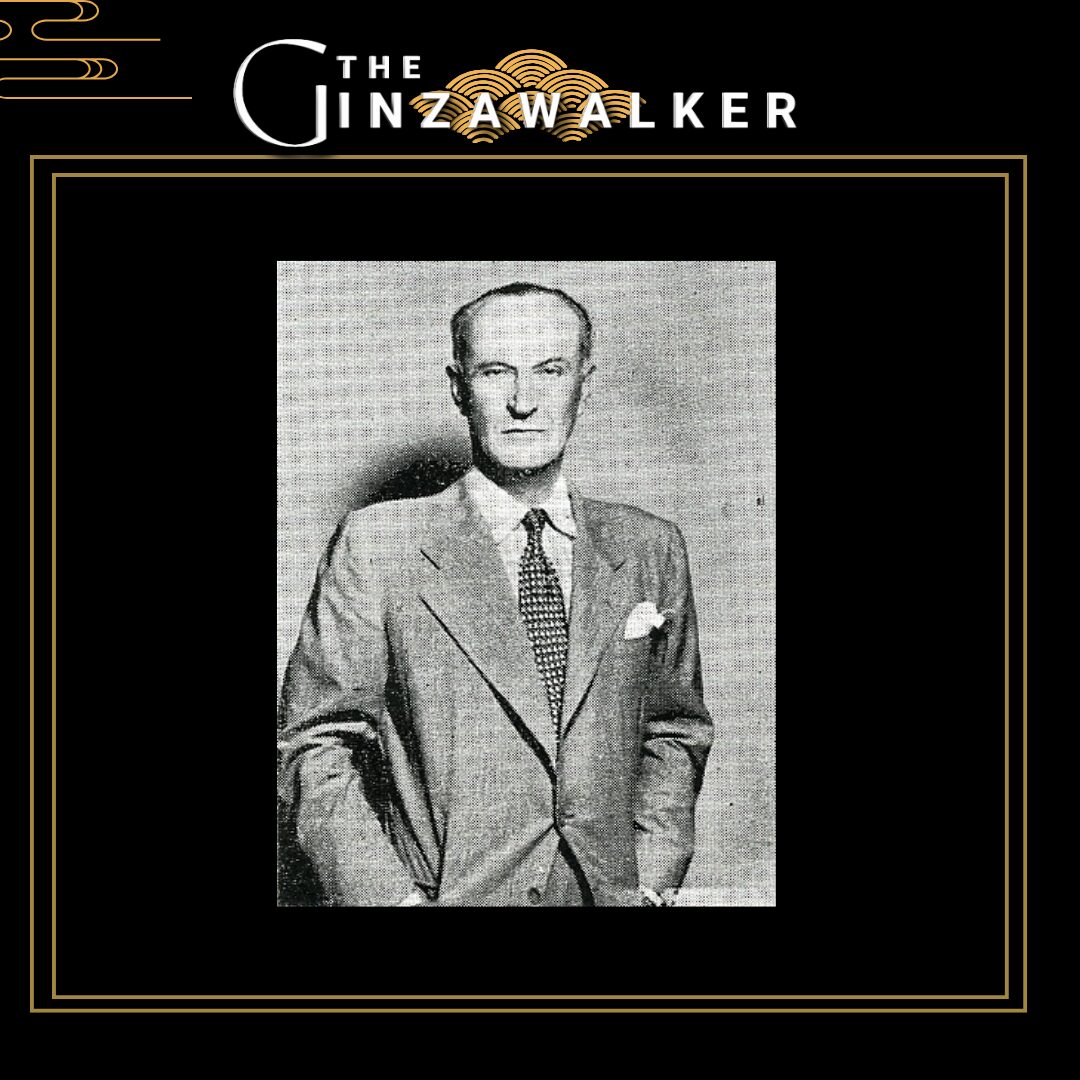
Architects who had a decisive influence on modern Japanese architecture
Czech-born Antonin Raymond (1888-1976) became independent in Japan after coming to Japan with the construction of Frank Lloyd Wright's Imperial Hotel.
During his stay in Japan for about 44 years,More than 400 buildings constructedIt is believed that he was involved in the
Fusion of church architecture and modernism
Raymond was also known for his churches in Karuizawa and religious buildings in Tokyo, where he excelled at architecture that combined spirituality and rationality.
The Kyobunkan and Bible Museum Building is hisA masterpiece of prewar modernist architectureIt is one of the
Greatest feature: "One face, two buildings."
Why was a two-building structure necessary?
The Kyobunkan (Methodist-affiliated) and the Bible Museum (Bible Society-affiliated) are separate corporations, although they are in the same Christian cultural sphere.
Therefore,Clear separation of asset management, flow lines, and functions while integrating them as urban architectureIt was necessary.
Structural points
-
Completely integrated appearance
-
One entrance, shared entrance hall
-
The interior is clearly divided between left and right.
-
Stairs and elevators each have their own dedicated compartment
This structure is so clearly distinguished in design that it is sometimes depicted as "two buildings" on current maps.
Early Showa period details remaining inside.
Existing design as of the time of completion
-
Elevator hall wall decoration
-
Marble floor at the time of completion
-
Revolving door on Matsuya-dori side (one of the oldest in Ginza)
-
Relief decoration at entrance
The exterior has been updated to keep up with the times, but the interior retains a strong Showa-era retro air.
Seismic resistance and strength as "active architecture
Structure that survived the war and earthquake
The building survived air raids during the Pacific War and several major earthquakes, including the Great East Japan Earthquake.
The fact that the building complies with current earthquake resistance standards without major reinforcement is a testament to the high degree of completion of the initial design.
Depth of Nostalgia for Accepting Equipment Renewal
Vertical ducts that were once used to send letters within the museum are now repurposed as network wiring corridors.
It is a structure that continues to live on while changing its use from analog to digital.
The lost tower and Ginza, which embraced change.
A "tower" that once existed on a rooftop
At the time of its completion, a symbolic tower stood on the roof of the Kyobunkan and Bible Building.
This was a Raymond-like design, evoking a place of prayer.
Modifications during the period of rapid economic growth
During the high-growth period, the tower was removed to install advertising billboards.
From a cultural symbol to a commercial symbol - this change itself reflects the history of Ginza as a district.
Kyobunkan in Literature and Urban Culture
Scenery of Ginza loved by literary figures
The Kyobunkan and Bible Museum Building has appeared in works by Kafu Nagai, Hisashi Inoue, and others,
It has long been remembered as a landmark of prewar Ginza.
The only "street-front bookstore" in Ginza
Kyobunkan Bookstore is still in business today, along Ginza's Chuo-dori Avenue.The only existing roadside bookstore in existenceThe first two are the following.
Summary: Architecture that encompasses urban time
The Kyobunkan and Bible Building is,
-
Showa Modernist architecture completed in 1933
-
Rarity of integrated exterior and duplex structure
-
Durability in service for over 90 years
-
An entity that embodies the cultural history of Ginza
It is not just an "old building" in that it is
It is a “living architectural archive ”** that continues to be renewed today, while storing the memory of the city inside.
Article Supervisor
Yuya Hachimine, CEO

Representative Director of ZENNO GROUP, Inc. known as a leader in the night work industry in Ginza. He worked for 14 years as a black-shirted worker in a high-class club in Ginza, and based on his experience, he provides various services for the industry. In order to improve the inefficient work system, he founded ZENNO GROUP Inc. and has contributed to the development of the industry.
Yuya Hachimine's SNS and related links
- Instagram:. @88.hacci.88
- the Focus: The Interview with Yuya Hachimine
- Laule'a Publications Tsukiyomi of the Wise: A Former Ginza Black Dresser Shares Secrets of the Customer Service Industry
- Local Color: Local Color More about ZENNO GROUP
- GLOCAL.:. ZENNO GROUP Initiatives
- Qualitas Column:Bringing innovation to the glittering "nightlife of Ginza.
- Seaside FM 85.5:Interview with Yuya Hachimine