
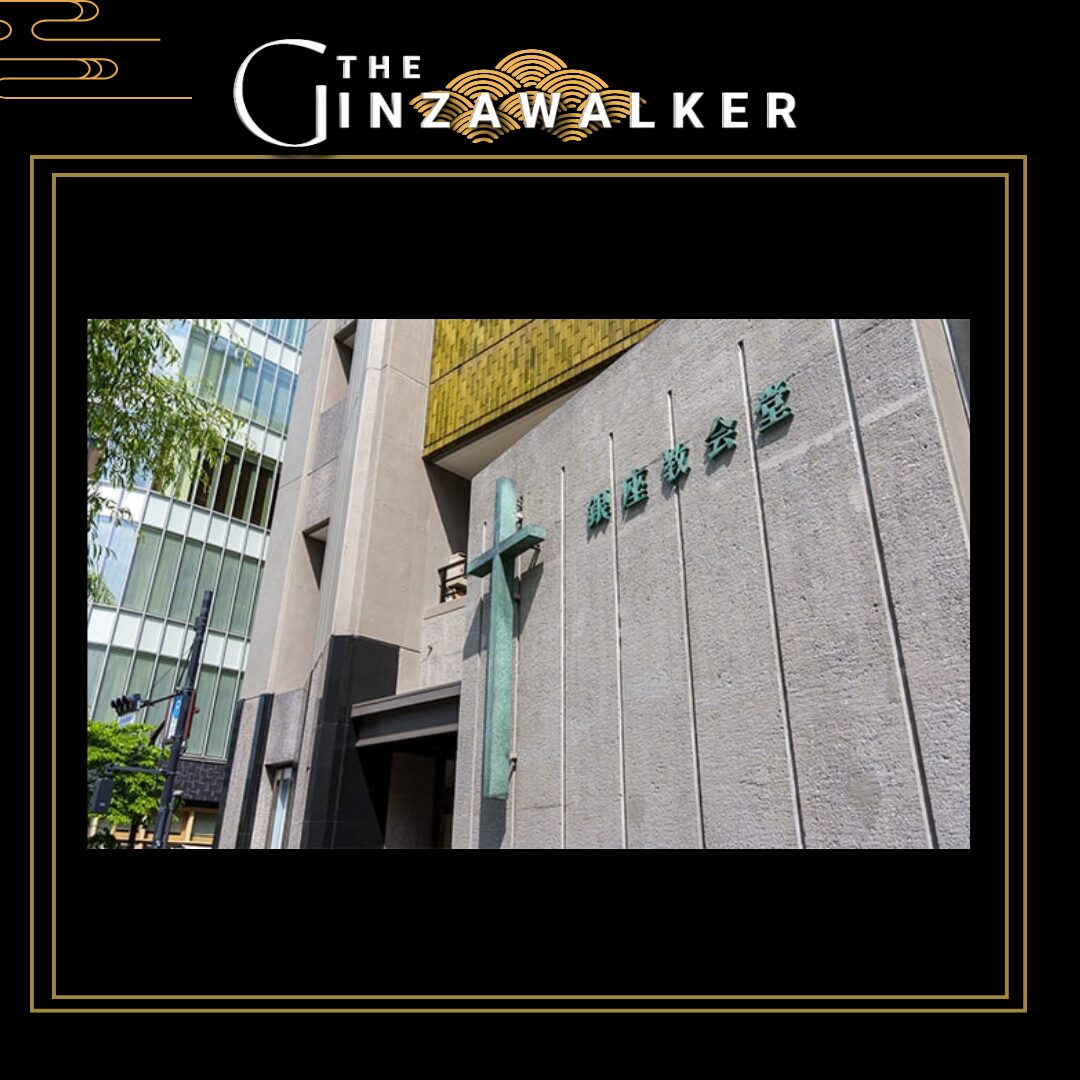
Ginza 4-chome. In this corner of Ginza, one of Japan's most prominent commercial districts, there is a building that has been receiving people's prayers and silence for more than 130 years. That is **.Ginza Church Hall**. Surrounded by glamorous brand-name buildings, only the cross on the rooftop quietly asserts its presence. In this article, we will read the Ginza Church Hall in three dimensions from multiple perspectives: history, architecture, worship, and relationship with the city.
What this article will tell you
- Historical background of Ginza Church Hall's more than 130 years of existence
- Changes in the architecture of four generations of churches after the Great Kanto Earthquake and the Tokyo Air Raid
- Urban significance of the continued presence of churches in the commercial district of Ginza
- Pipe Organ and Noon Service Attraction to be heard in Ginza
- Highlights of the modern Ginza Church Hall, a fusion of architecture, art, and faith

Origin and Establishment of Ginza Church
From Tsukiji to Ginza - Meiji Japan and Protestantism
The history of Ginza Church dates back to October 2, 1875, when the Tsukiji Michiyo Kyokai was founded in the Tsukiji Foreign Settlement. Missionaries came to Japan through the port of Yokohama, and the Ginza/Tsukiji area, connected by railroad, was an inevitable location for Christian missionary work.
On July 23, 1890, Pastor Sennosuke Ogata founded a church in Ginza 4-chome, the current location. This was one of the earliest urban Protestant churches in Japan.
History of mergers and renominations
Ginza Church has not survived on its own. It has reached its present form as multiple churches have joined together in response to the demands of the times.
| counter for years (following a number in the hito-futa-mi counting system) | event |
|---|---|
| 1875. | Tsukiji Biyi Kyokai is founded. |
| 1890. | Ginza Church is established in Ginza, Tokyo. |
| 1902. | Ginza Biyukyo-kai + Tsukiji Biyukyo-kai → Chuo Biyukyo-kai |
| 1907. | Joint with Tsukiji Canadian Methodist Church |
| 1941. | Name changed to the current name when the Christian Church of Japan is established. |
Currently, as a church belonging to the Japan Christian Church, it continues its urban missionary work.
Ginza Church Hall rebuilt four times
An architectural history marked by disaster and reconstruction
In its more than 130-year history, Ginza Church Hall hasfour generationsThe building has been reconstructed over the years. This can be called the history of urban architecture in Japan itself.
| chapel | date | feature | Reason for disappearance/renewal |
|---|---|---|---|
| primary | 1890. | wooden hall | Burned down in the Great Kanto Earthquake |
| the second ... | 1911. | Stone, with steeple | aging |
| tertiary | 1928. | RC and modern architecture | Half burned in Tokyo Air Raid |
| quaternary | 1982 | main building of a temple enshrining temple founder | existing |
The third hall was a reinforced concrete structure designed by modern architect Jokichi Tominaga, and it is worth mentioning that the structure survived the war damage.
Reading the current architecture of Ginza Church Hall
Fusion of commercial and religious architecture
The current Ginza Church Building, completed in 1982, is a building complex with both church and tenant functions as the "Ginza Church Building." The eighth floor houses a used camera store, Lemon Co.
The exterior of the building is devoid of excessive religiosity and harmonizes with the surrounding commercial buildings with its calm, tiled appearance. On the other hand, the cross on the rooftop quietly reveals the essence of the building.
Internal Composition and Symbolism
-
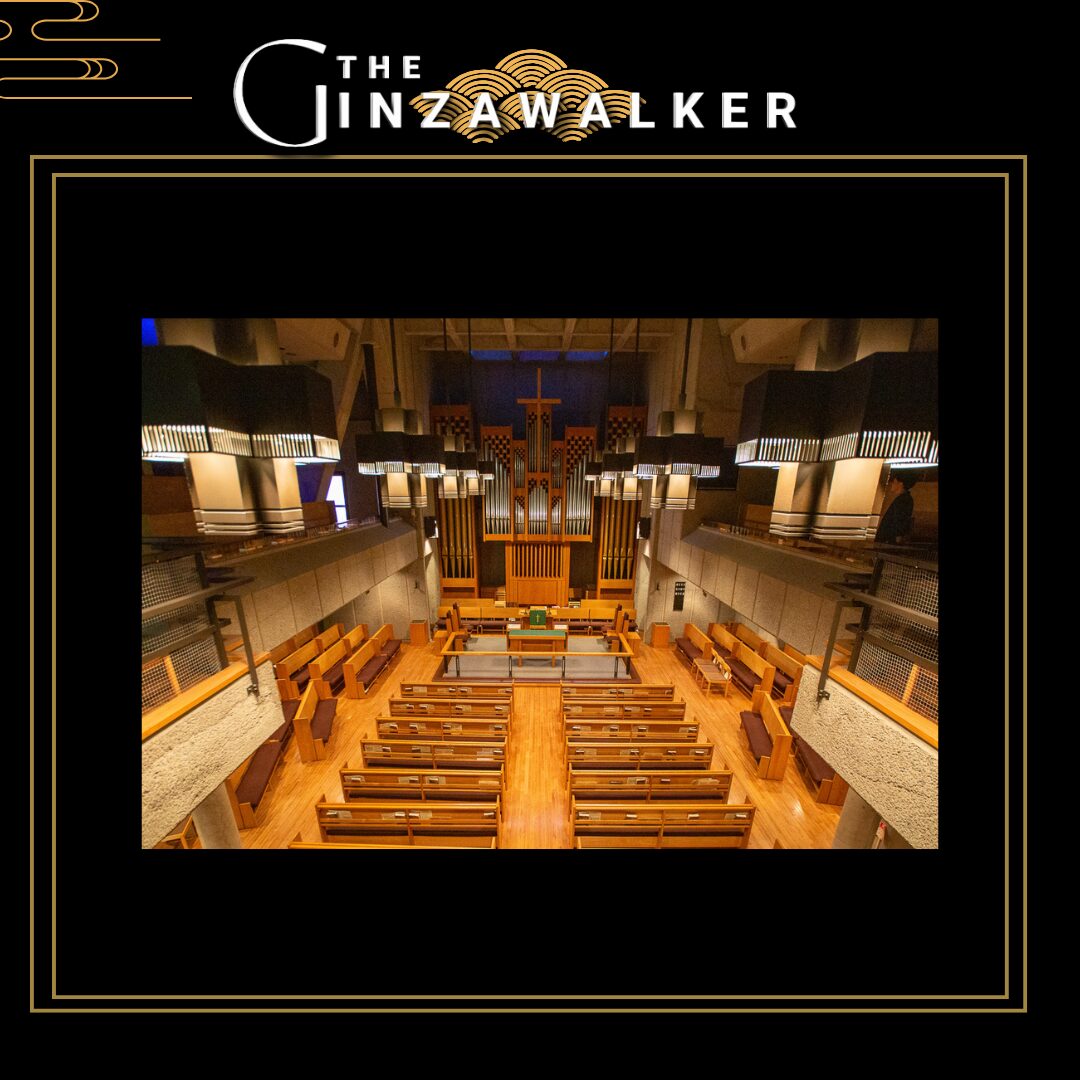
3rd Floor: Main Chapel
It accommodates approximately 300 people. Designed to let in outside light through blue glass, its expression changes depending on the time of day. -
Stairwell: Christ sign (XP)
Ancient Christian symbolism combining the Greek letters "Chi" and "Lo". -
belfry
The current bell was made in 1982. When the time comes, the bell is automatically played by a motor, releasing a sound into the streets of Ginza.
Pipe Organ Resonating in Ginza
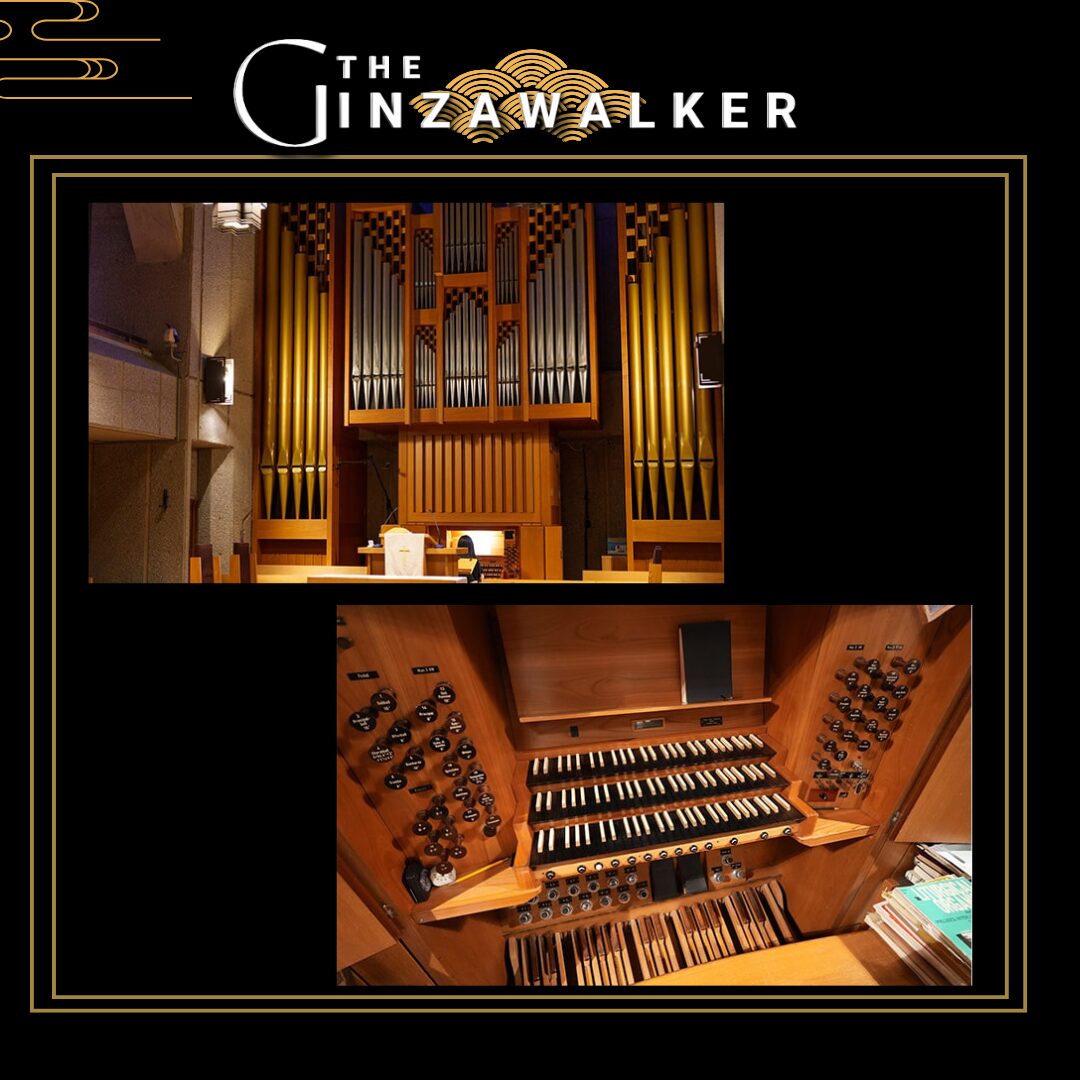
Rare authentic organ in central Tokyo
One of the main attractions of Ginza Church Hall is the chapel'spipe-organIt is. This instrument, which uses air pressure to produce sound, spreads sound not as a "point" but as a "space.
Wednesday noon organ meditation
The noon service, which has continued since 1943, is the greatest feature of Ginza Church and a symbol of the urban church.
-
Start: 12:15 p.m.
-
Time required: approx. 30 min.
-
Activities: Bible reading, prayer, organ performance
-
Conditions of participation: Open to all, free of charge
Here is a rare time when business people, shoppers, and tourists can remove their titles and put themselves in the same space.
Stained Glass and Artistry
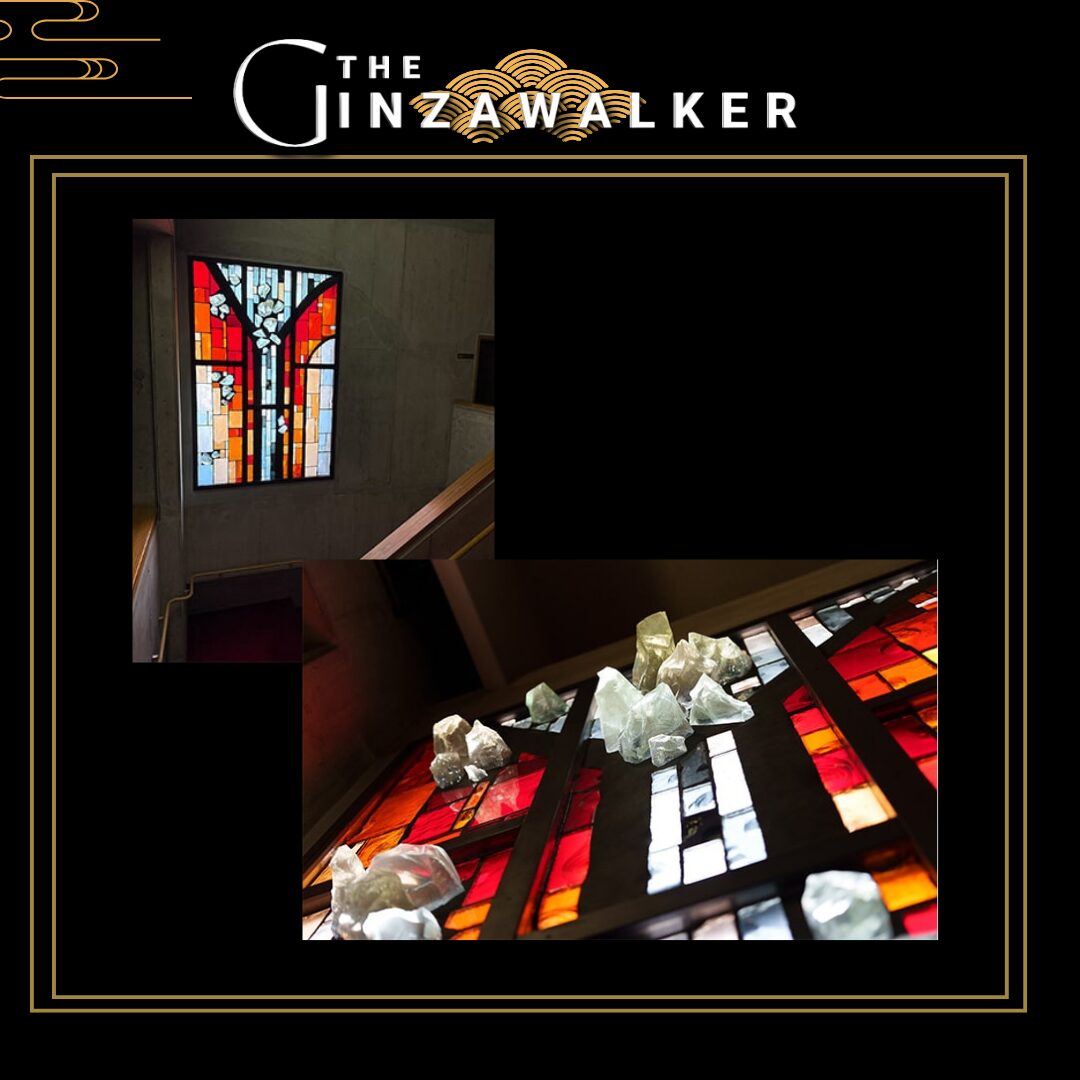
Contemporary stained glass by Keiko Miura
The stained glass windows in the chapel and staircase are the work of glass artist Keiko Miura. The geometric compositions and mineral-like textures of the stained glass are distinctive and distinct from traditional religious iconography.
-
Altar section: blue leading to heaven
-
Staircase section: Composed of earth and humanity
It is a space for prayer, but also has a level of perfection that can be appreciated as contemporary art.
Ginza Church by the Numbers
| (data) item | numerical value |
|---|---|
| establishment | 1890. |
| History | Approximately 135 years |
| Completion of the present building | 1982 |
| Number of church members | Approx. 700 persons |
| Sunday Worship Service Participants | Approx. 300 persons |
| Noon service continued | Approximately 80 years |
Churches Living with the City
Location of Ginza
Ginza Church Hall embodies Ginza's distinctiveness by being "unobtrusive. It is not overly assertive, but it is a presence that continues to exist.
You hear the bells ringing on your way to the store, and suddenly find yourself walking into the chapel during your lunch break. Religious buildings that allow such chance experiences are extremely rare in the city center.
Summary
Ginza Church Hall is neither a mere historical building nor a tourist attraction.
It is,Modern Japan, Cities, Faith, Architecture, Musicintersect at a single point, a place of extremely high density.
Just above the footsteps of people passing by on Sotobori-dori, the sounds of prayers and organs echo quietly today. There is no building more appropriate for getting to know the Ginza district from a different angle.
Article Supervisor
Yuya Hachimine, CEO

Representative Director of ZENNO GROUP, Inc. known as a leader in the night work industry in Ginza. He worked for 14 years as a black-shirted worker in a high-class club in Ginza, and based on his experience, he provides various services for the industry. In order to improve the inefficient work system, he founded ZENNO GROUP Inc. and has contributed to the development of the industry.
Yuya Hachimine's SNS and related links
- Instagram:. @88.hacci.88
- the Focus: The Interview with Yuya Hachimine
- Laule'a Publications Tsukiyomi of the Wise: A Former Ginza Black Dresser Shares Secrets of the Customer Service Industry
- Local Color: Local Color More about ZENNO GROUP
- GLOCAL.:. ZENNO GROUP Initiatives
- Qualitas Column:Bringing innovation to the glittering "nightlife of Ginza.
- Seaside FM 85.5:Interview with Yuya Hachimine